
Reachability makes AI threat modeling worth the trust
Oplane CTO Oscar Andersson talked to Help Net Security about why most scanners cry wolf, how triage fatigue quietly kills security tooling, and why a finding only counts when you can walk the path to impact on a real build.
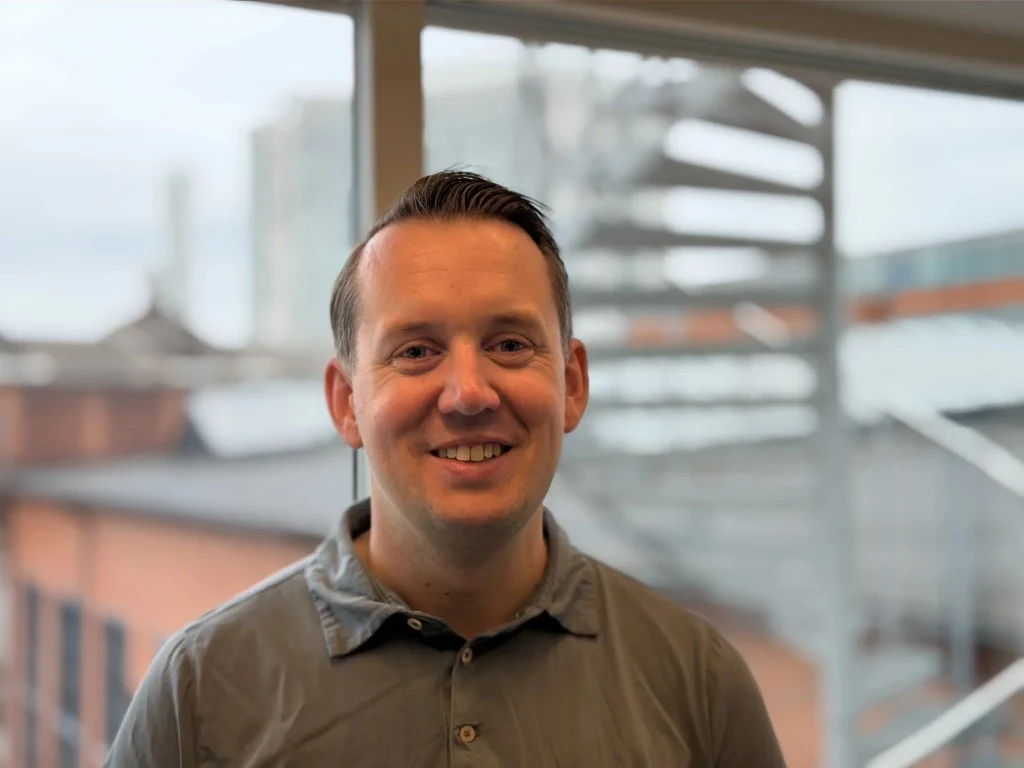
Help Net Security sat down with Oscar to talk through a problem every team building with AI eventually hits: tooling that flags everything and proves nothing. When a scanner returns a wall of maybe-issues, the people meant to act on it quietly stop reading.
His case is that a finding only earns a developer’s trust when you can show the path to impact on the real architecture, not just match a risky-looking pattern. Proving that an input actually reaches a sensitive sink is the difference between a result worth fixing and one more line of noise.
Triage fatigue is the single biggest killer of security tooling.
That is the bet behind Oplane: threat modeling that traces reachability through your architecture, so the findings a developer sees in their workflow are the ones that can actually hurt them, with the fix attached.
See what reachability changes
Run Oplane against your own architecture and see which risks actually reach impact, before they ship.